What Is Moon Day? The Ashtanga Tradition of Resting on Full & New Moons | Tapas Yoga HK
Author -
A Tradition of Two Rest Days a Month
Ashtanga has one rule that sounds strange to outsiders: no practice on the days of the full moon and new moon. This isn't a rule any one studio made up — it's a tradition passed down through the Ashtanga method, still followed in traditional Mysore practice communities today. (Classes at Tapas run as usual on Moon Days — what this article is really about is the tradition itself.)
The usual first reaction is, "Wait, why stop?" Ashtanga is famous for being demanding and intense — six days a week is the baseline for this system. So why would a method built on discipline deliberately carve out two days a month where you're told not to practice?
Full Moon and New Moon Put the Body in Two Different States
The traditional explanation centers on shifts in energy and physical state.
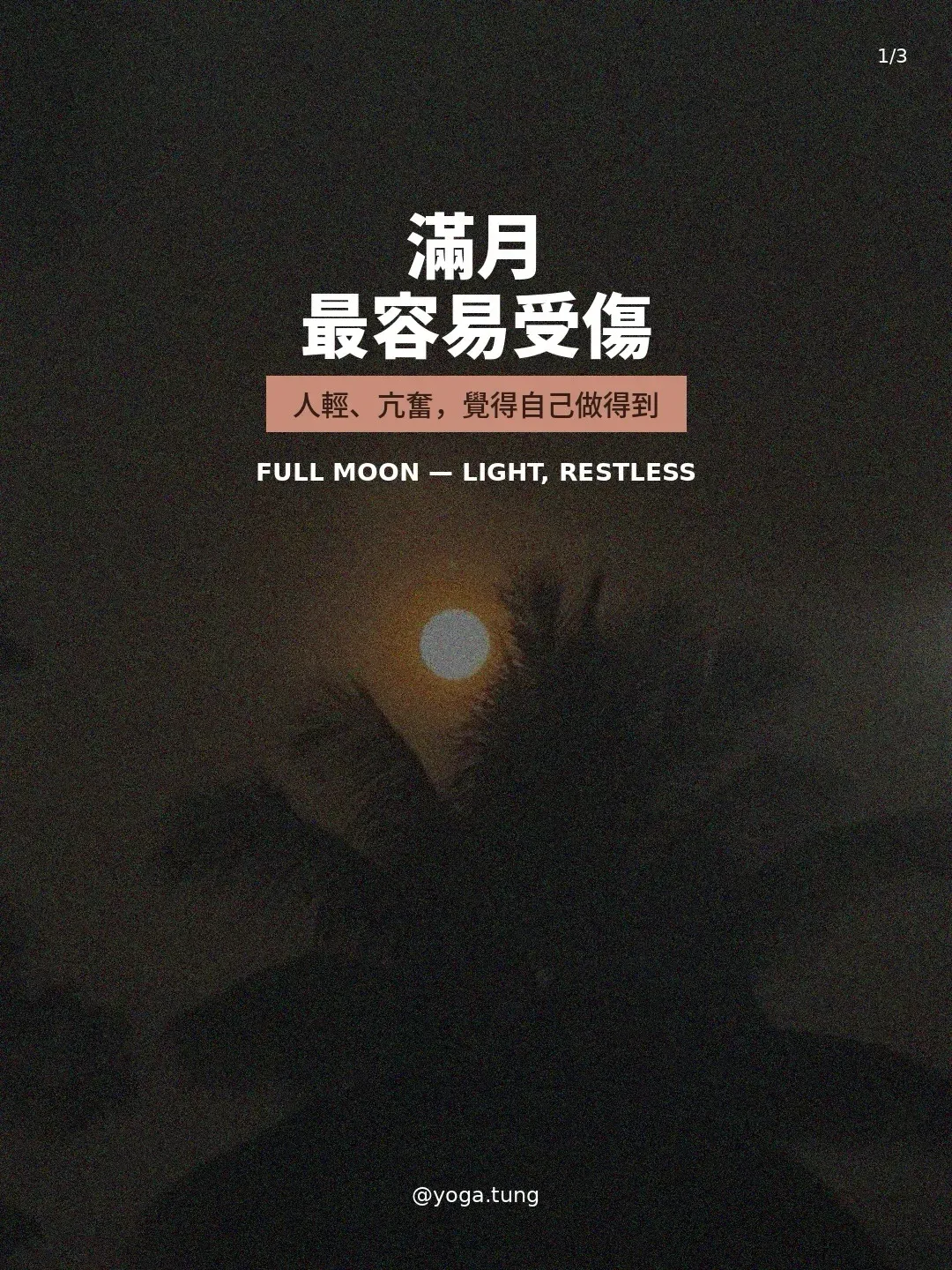
On a full moon, energy tends to move outward and upward. People feel unusually light, even a bit wired, sometimes convinced they can pull off things they normally can't. That feeling of being invincible is actually the most dangerous part — the body may not really be there yet, so it's easy to underestimate the risk and get hurt pushing too hard.
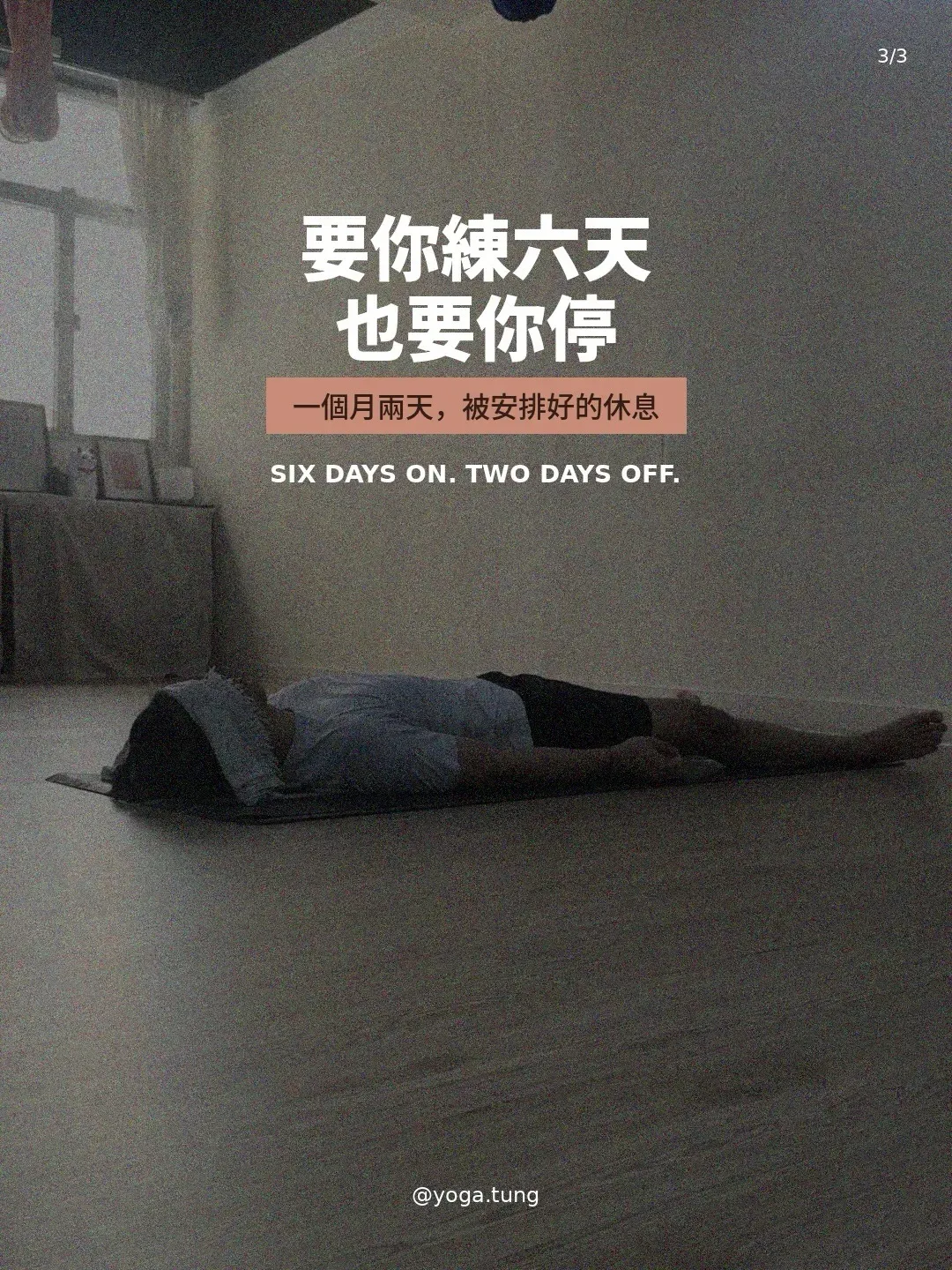
New moon is the opposite. The body feels heavy, dense, drawn inward — nothing feels like it wants to move, and every action feels like extra effort. Practicing on these days tends to feel like a lot of work for little result.
Is there science behind this? Honestly, no. This Ashtanga belief hasn't been scientifically proven, and we're not claiming it has hard evidence. But practice itself is often a long process of self-observation — plenty of longtime practitioners in the studio have mentioned similar experiences: restless sleep around the full moon, an unusually heavy, tired body on the new moon. These observations come up often enough to be worth noting, but they remain anecdotal, not experimental results.
People who believe in this idea often point to the tides as a comparison — the moon pulls the ocean's tides, and the human body is roughly seventy percent water. It's just an analogy, a way of thinking about it, not proof of anything — but it's an interesting piece of context for understanding the tradition.
These Two Days Aren't "Forbidden" — They're Rest Built In From the Start
Many students new to Ashtanga, hearing for the first time that "you have to stop for two days a month," feel like it's a shame — you've finally built a practice rhythm, so why interrupt it?
But the longer you practice, the more you notice these two days aren't a random disruption — they're rest the method built in from the start. It's completely different from deciding on your own, "I don't feel like going today, so I won't." Moon Day is part of a rhythm the system already set — you don't have to weigh up for yourself whether today's a day to rest, because the system has already decided for you.
To be clear again: classes at Tapas run as usual on Moon Days, so students who want to practice don't need to worry about there being no class. But for Ashtangis following the traditional rhythm with a daily self-practice, Moon Day is a reminder: consistent practice doesn't mean pushing endlessly without limit — rest itself is part of the practice too.
A Method That Demands Six Days a Week Also Demands You Stop
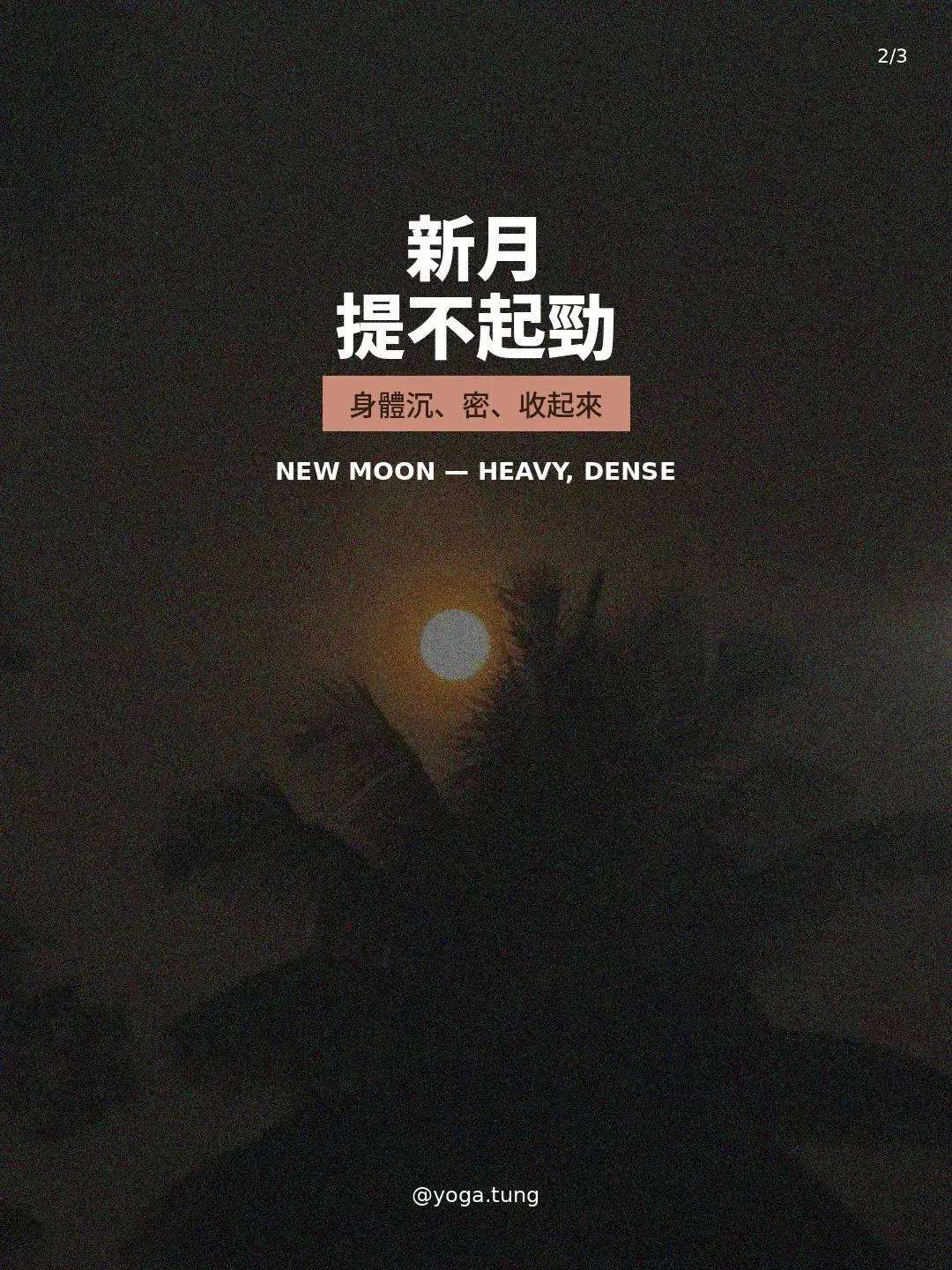
This is what makes Ashtanga as a system so distinctive — it demands high intensity, high frequency practice on one hand, and on the other hand strictly requires practitioners to stop for two days a month. These two things sound contradictory, but put together, they form a complete rhythm: push hard, and still leave room to recover.
For long-term practitioners, what this arrangement really offers isn't about the small daily decision of "should I rest today" — it's about learning to trust the rhythm of the whole method, including the moments it tells you to stop.
Want to learn more? Welcome to visit our Yuen Long or Tsuen Wan yoga studios for a class.
WhatsApp Booking & Enquiries:
Yuen Long Studio: +852 6086 6724
Tsuen Wan Studio: +852 6086 6724
Address:
- 206F, Keader Centre, 129 On Lok Road, Yuen Long (3 mins walk from Long Ping MTR Exit E)
- Room 901, 9/F, Mega Trade Centre, 1 Mei Wan Street, Tsuen Wan
Want to learn more or follow our latest updates? Follow us on:
Thank you for all your support!
Thanks for reading! We hope this article helps deepen your yoga knowledge. I'm from Tapas Yoga HK. We're a dedicated yoga studio with locations in Yuen Long and Tsuen Wan. If you'd like to start your yoga journey, contact us via WhatsApp: (Yuen Long) 60866724 or (Tsuen Wan) 60866724.
Trial class from $100: want to try it in person? See trial class details and our class schedule, or WhatsApp us to book a trial. We have studios in Yuen Long and Tsuen Wan.